
Every November the same pattern appears.
Schedules get tighter. Temporary and agency workers fill the gaps. Managers run from site to site. And somewhere between the rush and the exhaustion, hours start leaking — quietly, consistently, and often without anyone noticing until the payroll report lands in December.
By then the money is already gone.
The problem isn’t always intentional theft
When people hear “time theft,” they picture someone deliberately gaming the system. That happens, of course. But the more expensive version is usually messier and less dramatic:
A supervisor clocks in a late coworker “just this once” so the line doesn’t fall behind.
Someone forgets to clock out and the system auto-closes the shift at an optimistic time.
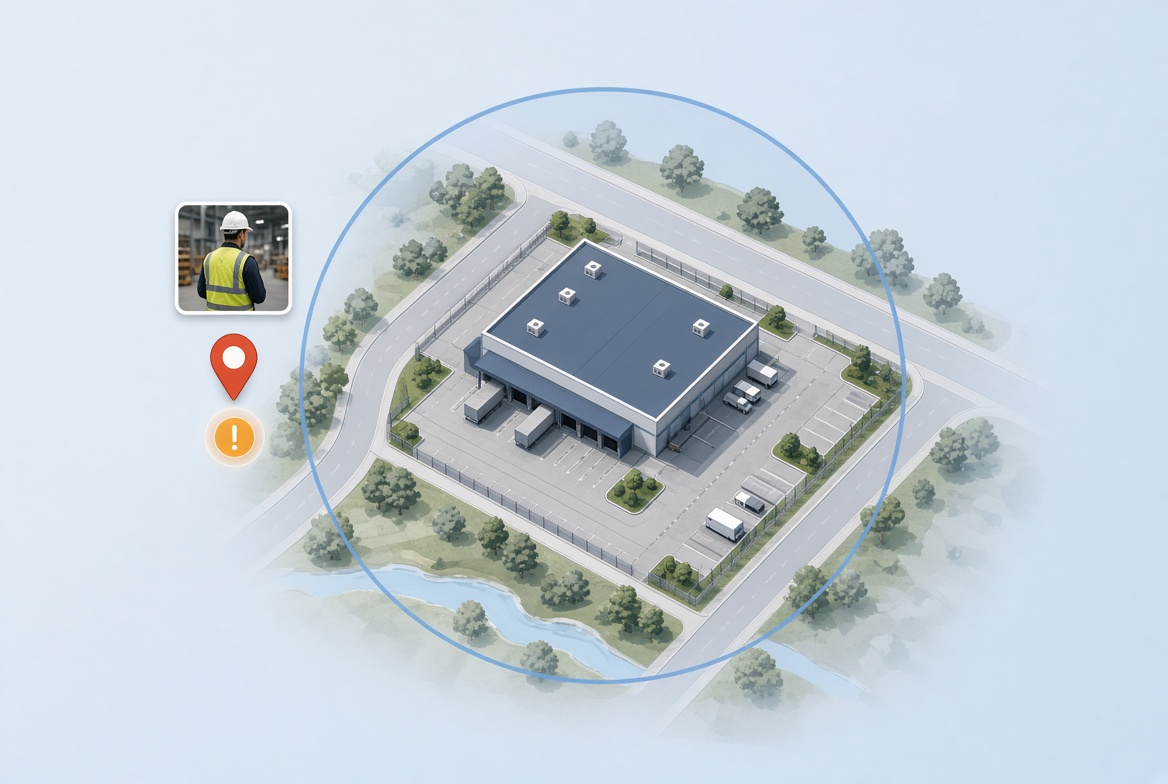
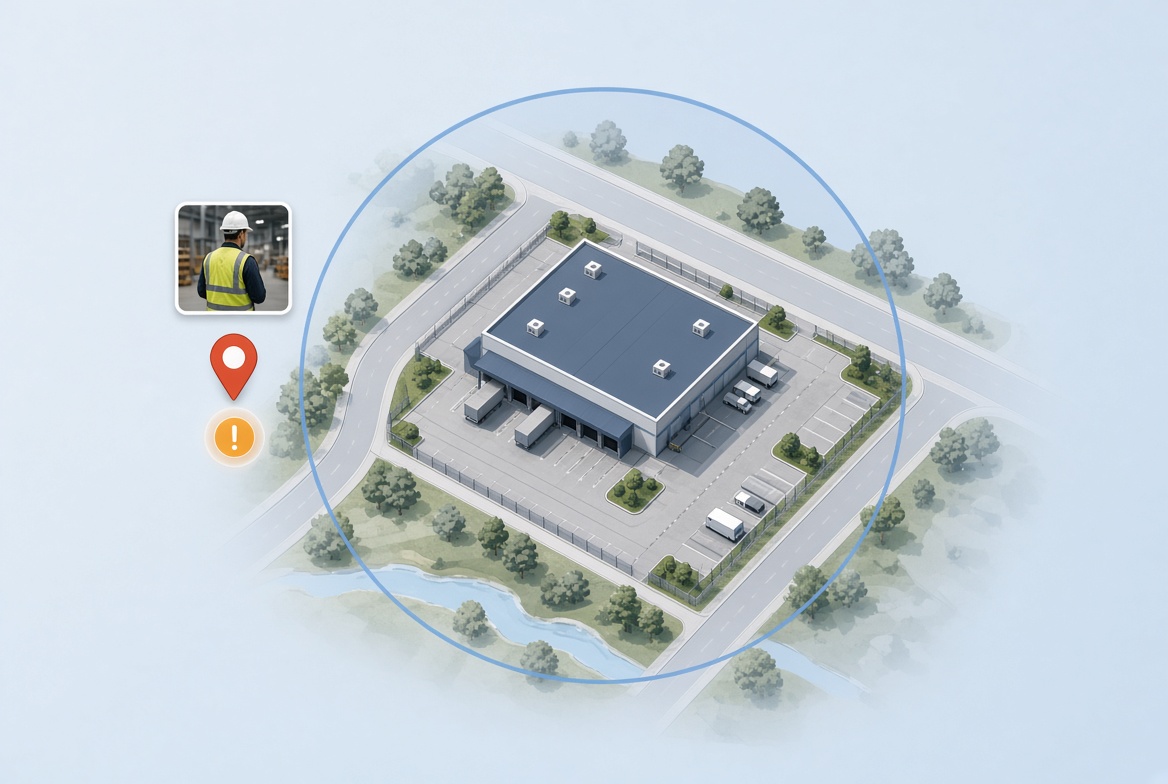
A temporary worker punches from the parking lot because the geofence is set too loosely (or not at all).
Agency hours get approved in bulk on Friday afternoon without real review because everyone is underwater.
None of these feel like fraud in the moment. Cumulatively, they show up as margin erosion.
Typical ImpactWhat It Looks Like in Q41–3% labor cost leakageIndustry estimates for weak verificationHighest exception volumeNovember–DecemberDiscovery delayedMost companies only notice in the December payroll
Why Q4 makes everything worse
Peak season doesn’t just increase the number of hours worked. It increases the number of unexamined hours.
Three dynamics stack on top of each other:
1. More temporary and multi-site workers
Seasonal and agency labor is essential in Q4, but these workers are harder to verify. They move between locations, use different devices, and often fall outside the informal accountability that exists among full-time crews.
2. Managers are too busy to review exceptions
When everyone is scrambling to hit shipping deadlines or cover call-outs, the exception queue becomes a luxury. Geofence violations, missing photos, and odd punch patterns get rubber-stamped or ignored until after the pay period closes.
3. Dual approval turns into single approval (or none)
Staffing agencies that require both client and agency sign-off often see the process collapse under volume. One side approves everything to keep the relationship smooth. The other side doesn’t have time to look closely. The margin that looked healthy on the placement sheet quietly shrinks.
What actually works (and what doesn’t)
Most companies already have some form of time tracking. The gap is rarely the absence of a system — it’s the absence of verification that holds up under pressure.
Geofencing alone is not enough.
GPS can drift. Phones can be left behind. A tight geofence without a review workflow simply creates more exceptions that nobody has time to handle in November and December.
Higher-signal approaches tend to combine several layers:
Geofencing + photo verification — creates a visual audit trail that is hard to dismiss later.
Clear exception queues — surface problems daily instead of letting them accumulate until payroll.
Dual approval that is actually usable — client and agency both sign off, but the interface makes it fast.
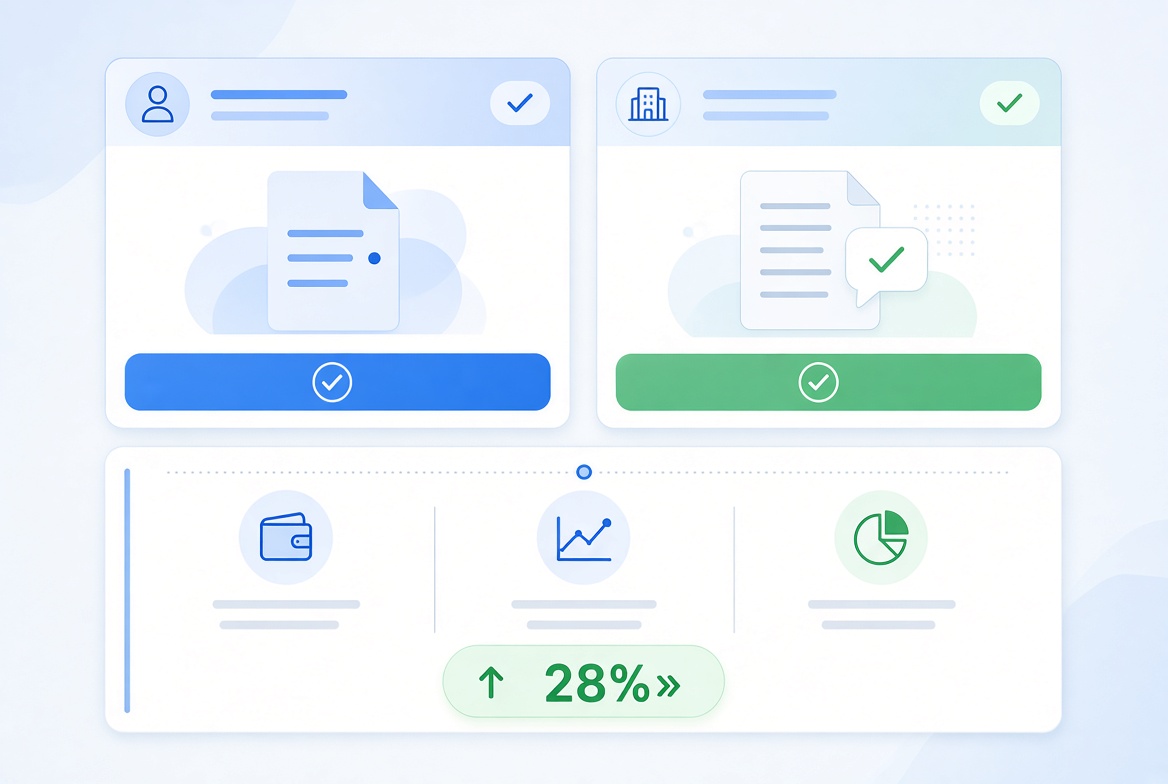
Live margin visibility — so agencies can see the financial impact of unverified or disputed hours in real time, not three weeks later.
A practical Q4 checklist
You don’t need a perfect system before the holiday rush. You need fewer unexamined hours. Here’s a short list that still moves the needle:
Before the next peak week
Review your geofence radii. Too loose = noise. Too tight = constant exceptions that get ignored.
Turn on (or tighten) photo verification for high-risk sites or temporary workers.
Create a daily 10-minute exception review habit for site supervisors — not a weekly dump.
If you use agencies, confirm both sides still understand the approval expectations under volume.
Look at last year’s December payroll variance. Where did the hours exceed what operations believed happened?
The deeper point
Unverified hours are rarely a technology problem first. They are a visibility problem.
When managers can’t see exceptions until it’s too late, when agencies can’t see margin impact until the invoice is already under debate, and when workers learn that the system doesn’t actually check — leakage becomes rational.
The companies that protect margin in Q4 aren’t necessarily the ones with the most sophisticated software. They’re the ones that made verification light enough to use under pressure and visible enough that problems can’t hide until December.
At Smartclocksystems we built verification, dual approval, and live margin tools because one of us used to run the crews. We got tired of discovering the real cost of “just this once” after the money had already left the building.